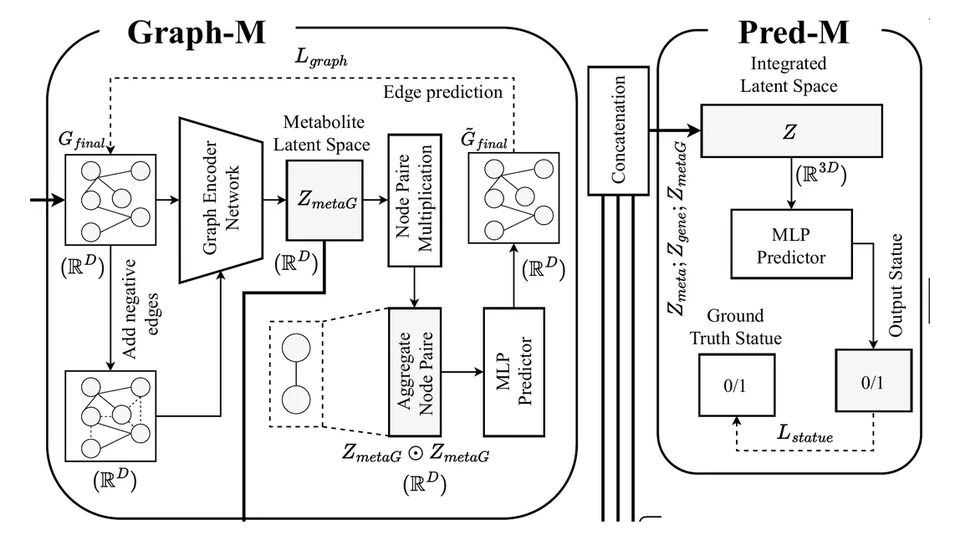
GraphGDel
IEEE TCBB 2026
Builds graph representations of genome-scale metabolic models and learns from them, together with gene and metabolite sequences, to predict growth-coupled gene deletion strategies.
Research software, computational methods, and AI systems developed through my research.
IEEE TCBB 2026
Builds graph representations of genome-scale metabolic models and learns from them, together with gene and metabolite sequences, to predict growth-coupled gene deletion strategies.
IEEE TCBB 2025
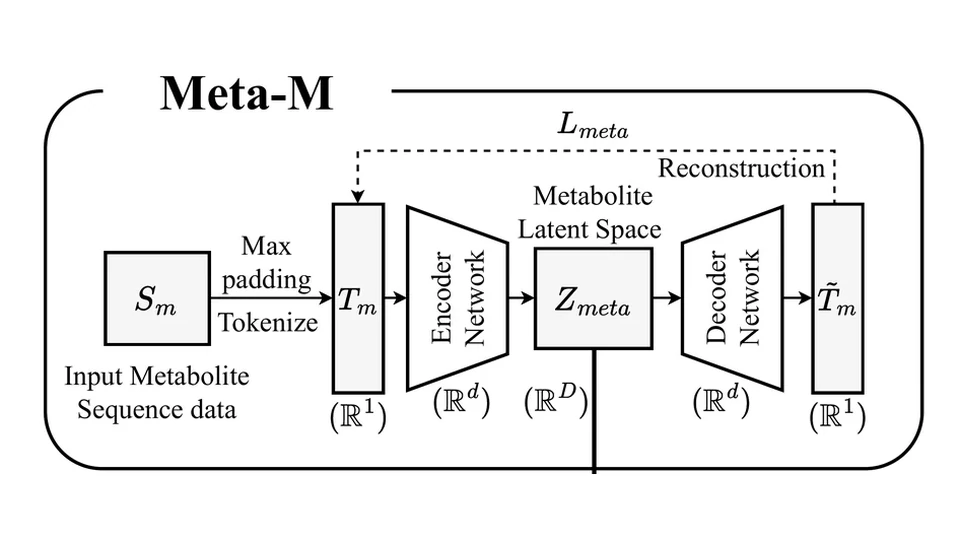
A deep learning framework that learns gene and metabolite sequence representations to predict gene deletion strategies for growth-coupled production.
IEEE TCBB 2025
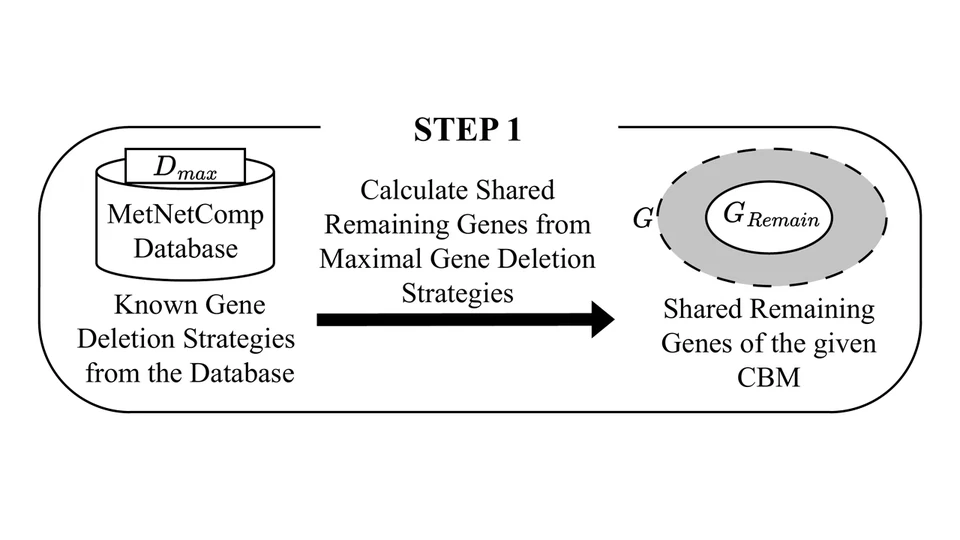
Mines gene deletion databases for prior knowledge to narrow the search space, computing growth-coupled gene deletion strategies 6.1× faster on average than existing methods.
Scientific Data 2025
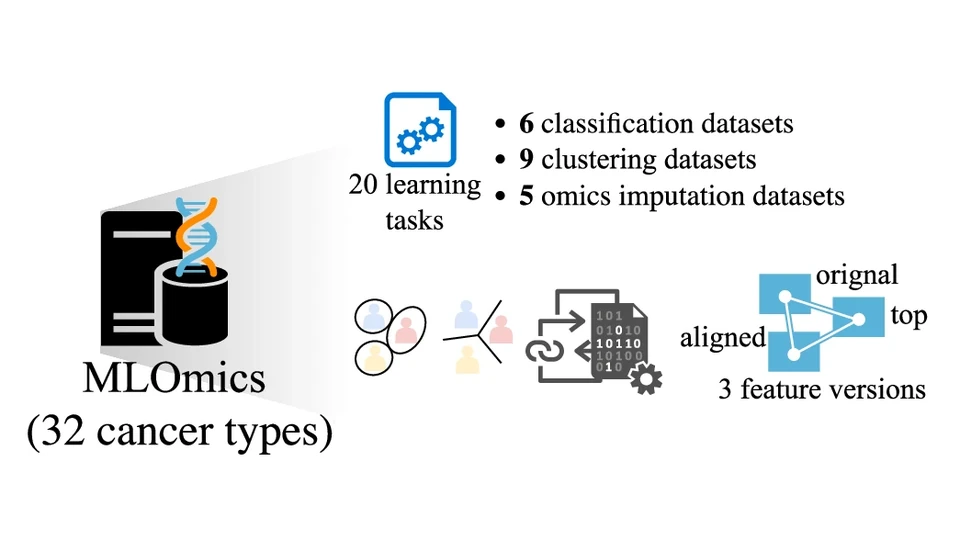
An open, machine-learning-ready cancer multi-omics database: 8,314 patient samples across 32 cancer types with four omics types, stratified features and baselines.
ICLR 2025 · Oral
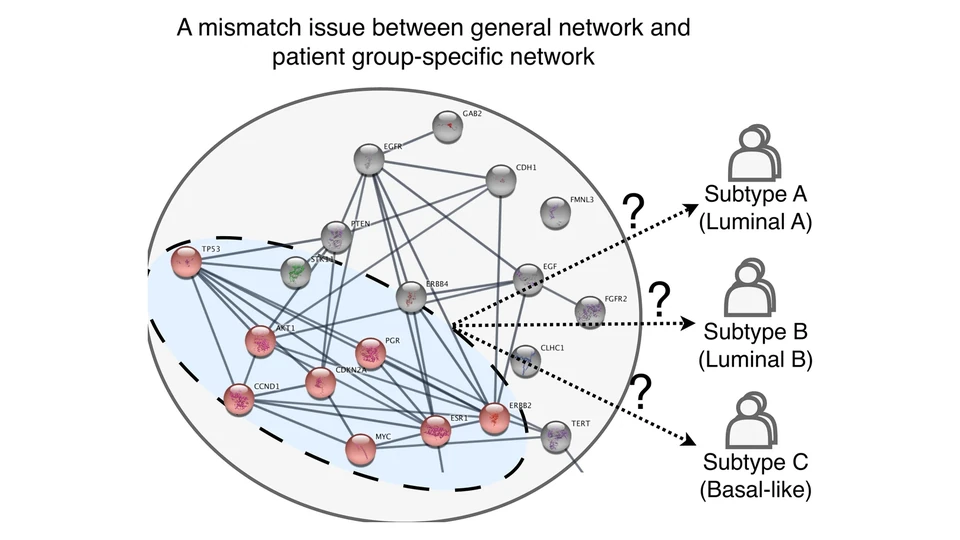
Generates disease-subtype-specific gene interaction networks by combining a generative model of patient gene expression with a graph neural network over prior gene networks.
Nature Machine Intelligence 2026
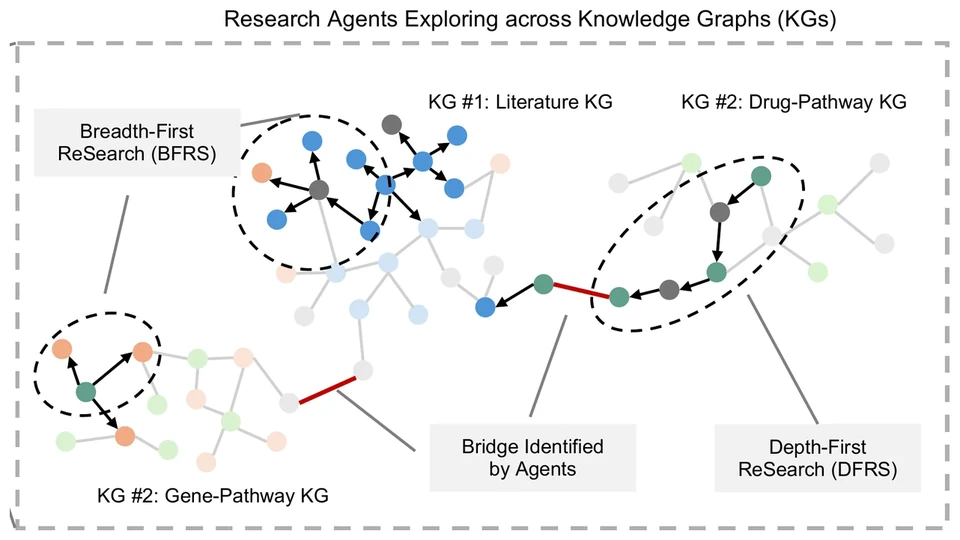
A multi-agent deep research system that searches biomedical knowledge bases and literature and builds an evidence graph to support transparent evidence synthesis.
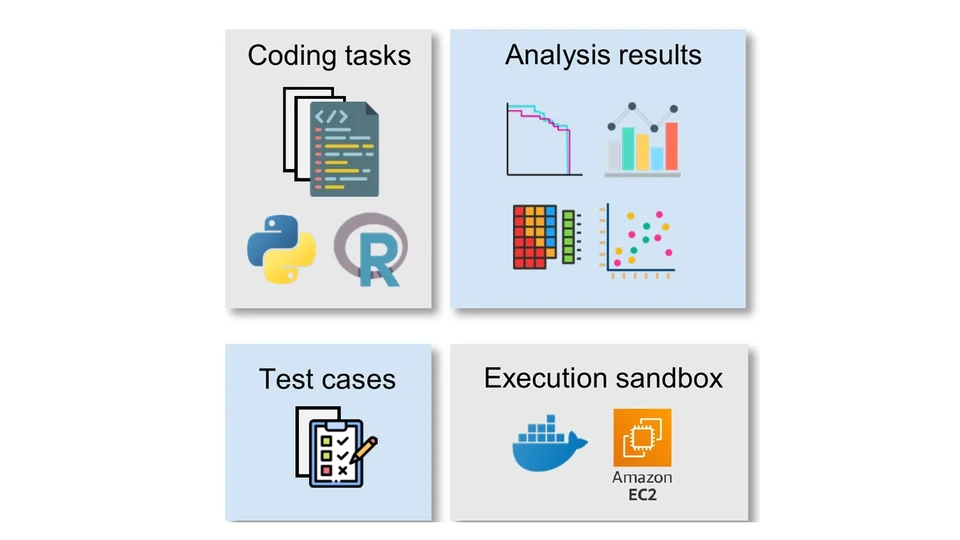
Making Large Language Models Reliable Data Science Programming Copilots for Biomedical Research
Nature Biomedical Engineering 2026
Benchmarks LLMs on 293 biomedical data science coding tasks, where overall accuracy stays below 40%, and shows that an agent which plans and refines its analysis before coding reaches 74%.